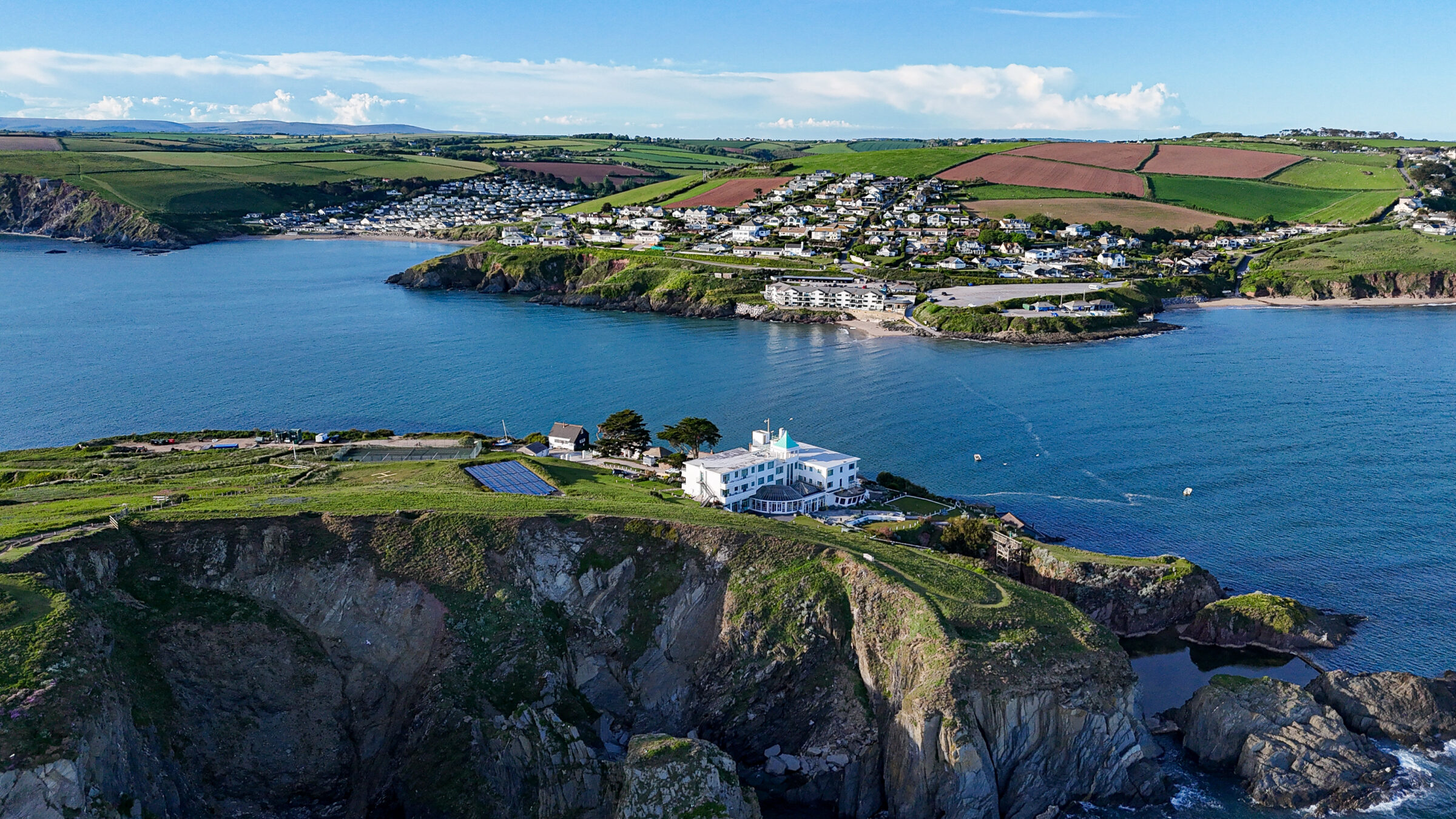
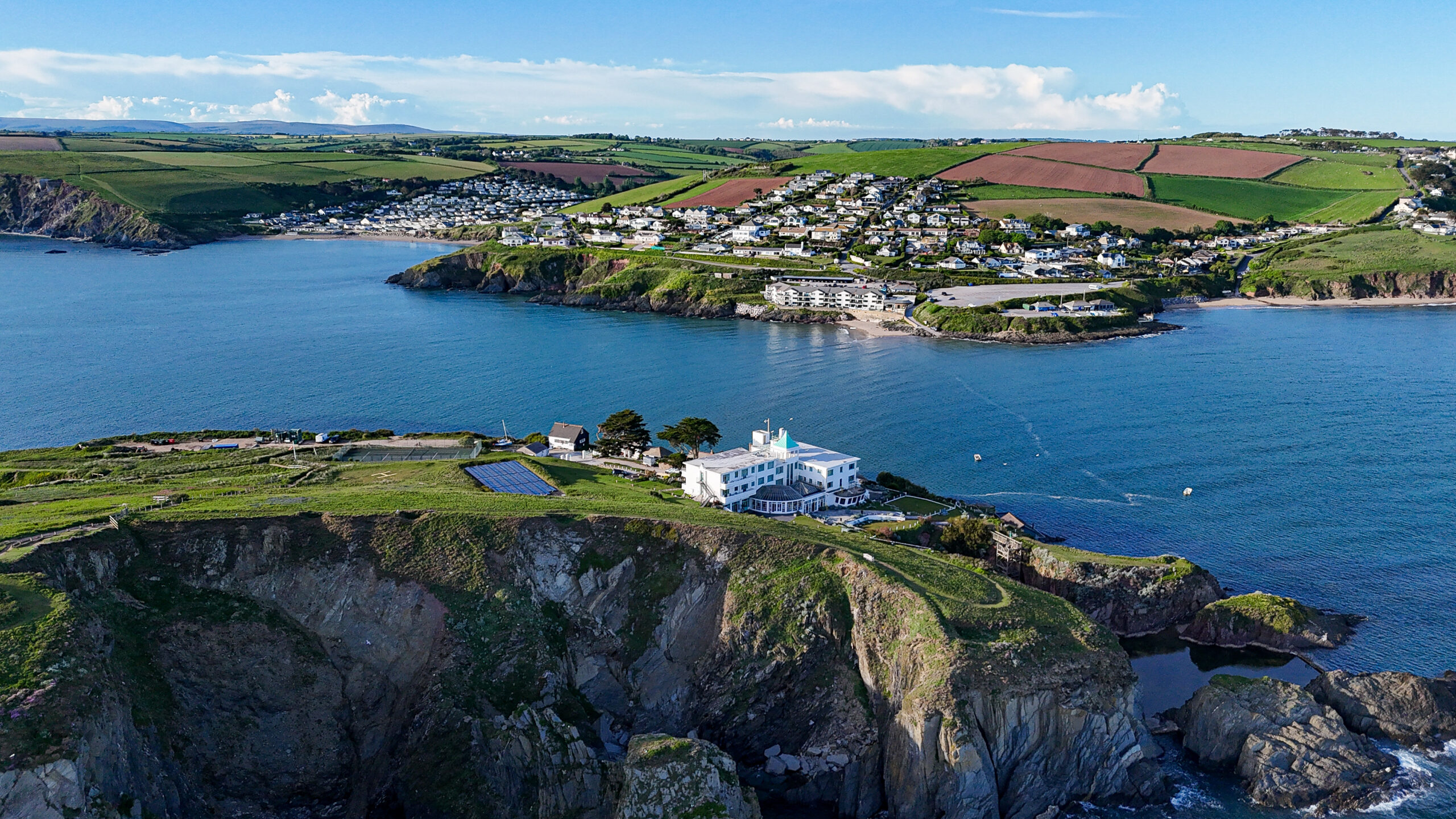
Exterior shot of Burgh Island

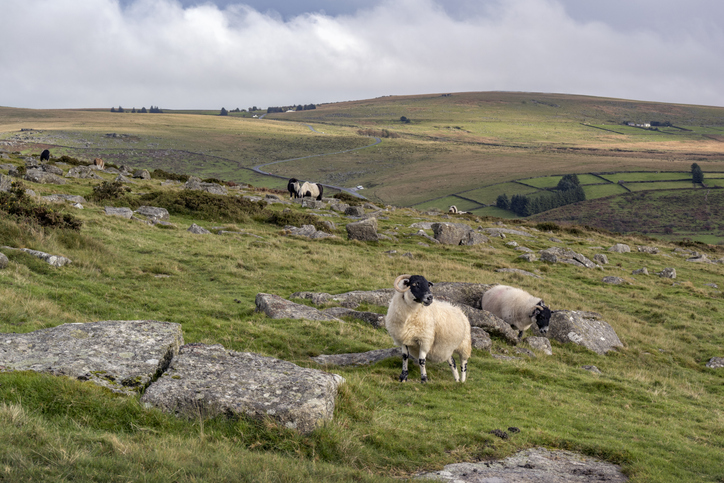
Dartmoor National Park in Devon

Wild, windswept and wonderfully atmospheric, Dartmoor National Park is one of the UK’s most dramatic landscapes, a place of granite tors, heather moorland and wide skies where the Devon countryside feels gloriously untamed. It sits within South West England, yet once you step onto the open moor, everyday life falls away where you’re met with birdsong, rushing rivers, and the unmistakable silhouette of tors rising from the horizon.

From Burgh Island Hotel, this remarkable landscape is close enough for a day of exploring and yet far enough to feel like a true change of scene, just 15 miles from Dartmoor National Park, making it an easy addition to a coastal stay.

For new travellers interested in Dartmoor National Park UK, consider this your grounded, local guide: where it is, what makes it special, and how to enjoy it confidently, before returning to the salt-air calm and timeless character of Burgh Island for the evening.

Where Is Dartmoor National Park?

Dartmoor National Park in Devon covers a broad sweep of upland landscape in the county’s interior. It’s an expansive national park, around 954 square kilometres (368 square miles), with a strong sense of scale once you’re out on the open moor.

Dartmoor has held National Park status since 1951 and is managed by the Dartmoor National Park Authority, which shares practical visitor information and guidance for exploring responsibly.

Burgh Island Hotel is positioned on the South Devon coast at Bigbury-on-Sea, and with Dartmoor being just 15 miles away, it’s perfect for a scenic day trip that pairs rugged moorland with coastal beauty.

What Makes Dartmoor National Park Unique?

Part of what sets Dartmoor National Park Devon apart from other UK national parks is its distinctive geology and mood; a granite landscape shaped by time, weather and water, with tors punctuating the skyline like natural monuments.

Iconic features to look out for include:
Granite tors: Outcrops such as Haytor and Hound Tor are among the most recognisable landmarks. Dramatic, photogenic, and rewarding to walk up to for far-reaching views.

Heather moorland and river valleys: In season, the moor shifts colour and texture, while valleys soften the landscape with woodland edges and water.

Dartmoor ponies and wildlife habitats: Dartmoor is famous for its ponies, alongside a rich mosaic of habitats that support birdlife and other native species.

Dark skies and remote beauty: Even on a short visit, the sense of space is striking, and on clear nights the sky can feel spectacularly open.

It’s also a landscape full of contrasts: broad, exposed uplands one moment; sheltered river valleys the next. That variety is why Dartmoor National Park in Devon appeals to walkers, wildlife and history lovers, photographers, and anyone who simply wants to breathe deeper for a day.

Things to Do in Dartmoor National Park

Whether you’re planning a gentle wander or a full outdoor day, Dartmoor National Park offers experiences to suit different paces and priorities.
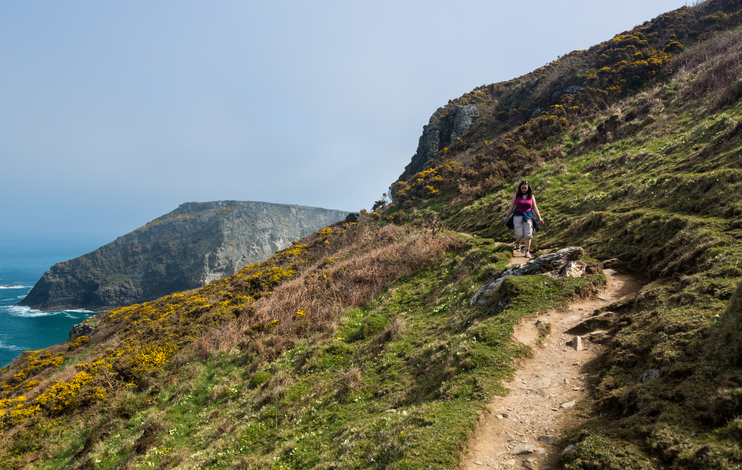
Dartmoor is made for walking. Popular routes often centre around tors for views, or river valleys for shade and water. Start with well-known landmarks such as Haytor or Hound Tor if you want a classic “tors and moorland” day, or choose a quieter trail where the landscape feels beautifully empty.
Dartmoor roads can be narrow and wildlife (including ponies, sheep and cattle) may roam freely. The National Park Authority specifically reminds drivers to take care and keep speeds sensible on moorland roads.

Cycling routes range from steady road rides through Devon countryside villages to more adventurous off-road options. If you enjoy a day that’s active but not rushed, Dartmoor can be as simple as a scenic drive with short walks built in, stopping whenever the view demands it.
Villages such as Princetown are strongly associated with Dartmoor and make a useful base point on the moor. Good for a pause, a refreshing drink, and a sense of local life in a landscape defined by weather and altitude.

In warmer months, Dartmoor’s rivers and pools can be tempting for a wild water dip. If you plan to wild swim, treat conditions with respect as water temperature and currents can change quickly, and weather on the moor is famously changeable.

Heritage and History
Dartmoor doesn’t just look ancient, it is. The landscape is rich with traces of human life stretching back thousands of years, including Bronze Age settlements and stone circles that sit quietly among the granite and heather.
Add in Dartmoor’s myths and legends (and its long-standing literary allure), and you have a national park that rewards curiosity. Even a short walk can feel layered with not just the scenery, but a story.

Stay Near Dartmoor National Park at Burgh Island Hotel

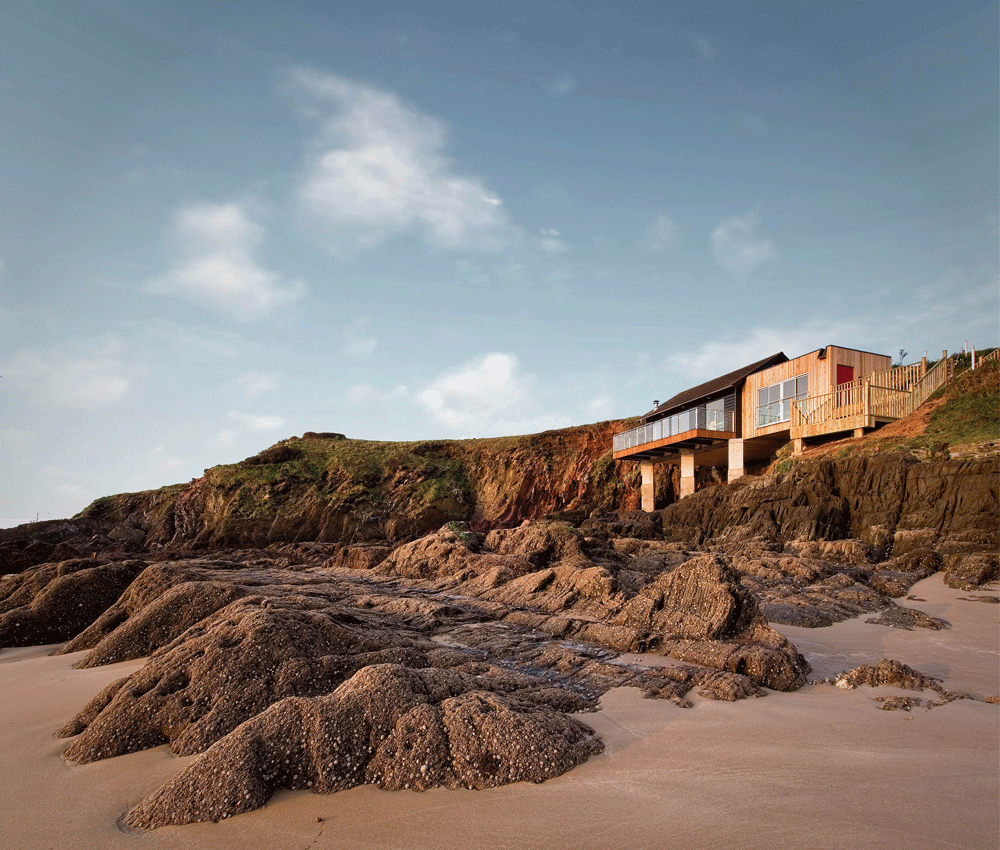
For guests who want to explore Dartmoor National Park in Devon without giving up the pleasure of a remarkable coastal base, Burgh Island offers a rare pairing: rugged sea views by day and Art Deco character by night. The hotel is a short scenic journey from Dartmoor National Park, making it easy to weave moorland walks, tors and heritage sites into a South Devon escape.

It’s the contrast that makes it captivating. Dartmoor gives you space, texture and altitude; granite landscapes, heather and big skies. Burgh Island, surrounded by sky, sea and sand, gives you a secluded island setting with its own sense of story: a place to return to, reset, and savour the evening after a day outdoors.

Visit the Burgh Island website to find out more about this unique hotel in South Devon and its surrounding wonderfully wild landscape.

FAQs

Where is Dartmoor National Park located?
Dartmoor National Park is in Devon, in South West England. It’s an upland landscape of moorland and river valleys, with iconic granite tors across the skyline. The park covers roughly 954 km² (368 square miles) and has been protected as a National Park since 1951.

How far is Dartmoor National Park from Burgh Island Hotel?
Burgh Island Hotel is located at Bigbury-on-Sea on the South Devon coast. The Art Deco hotel is a 30 minute scenic car journey from Dartmoor National Park, making Dartmoor a natural choice for a day trip during a coastal stay.

What are the best walks in Dartmoor National Park?
Many of Dartmoor’s most loved walks focus on tors and panoramic viewpoints. Places such as Haytor and Hound Tor are classic starting points. River valleys also offer quieter, more sheltered routes. Choose a walk that suits your pace, and plan for changeable weather and open-moor conditions.

Can you see Dartmoor ponies all year round?
Dartmoor is well known for its ponies, and you may see them throughout the year while driving or walking on the moor. They are part of a working landscape, so give them space, don’t feed them, and drive carefully. The National Park Authority advises extra caution because animals can roam freely on moorland roads.

Is Dartmoor National Park suitable for families?
Yes! Dartmoor National Park can be excellent for families, particularly for shorter walks to viewpoints, gentle riverside routes, and picnic-friendly stops. The key is choosing age-appropriate trails, dressing for the weather, and keeping an eye on open water and steep terrain near tors. A scenic drive with short walks can work brilliantly.

When is the best time to visit Dartmoor National Park in Devon?
Spring and summer suit longer walking days, while autumn can be quieter with beautiful colour in valleys. Winter offers dramatic skies and crisp air, but requires more planning around daylight and weather. For a calmer experience, consider visiting midweek or outside school holidays.